
Download image
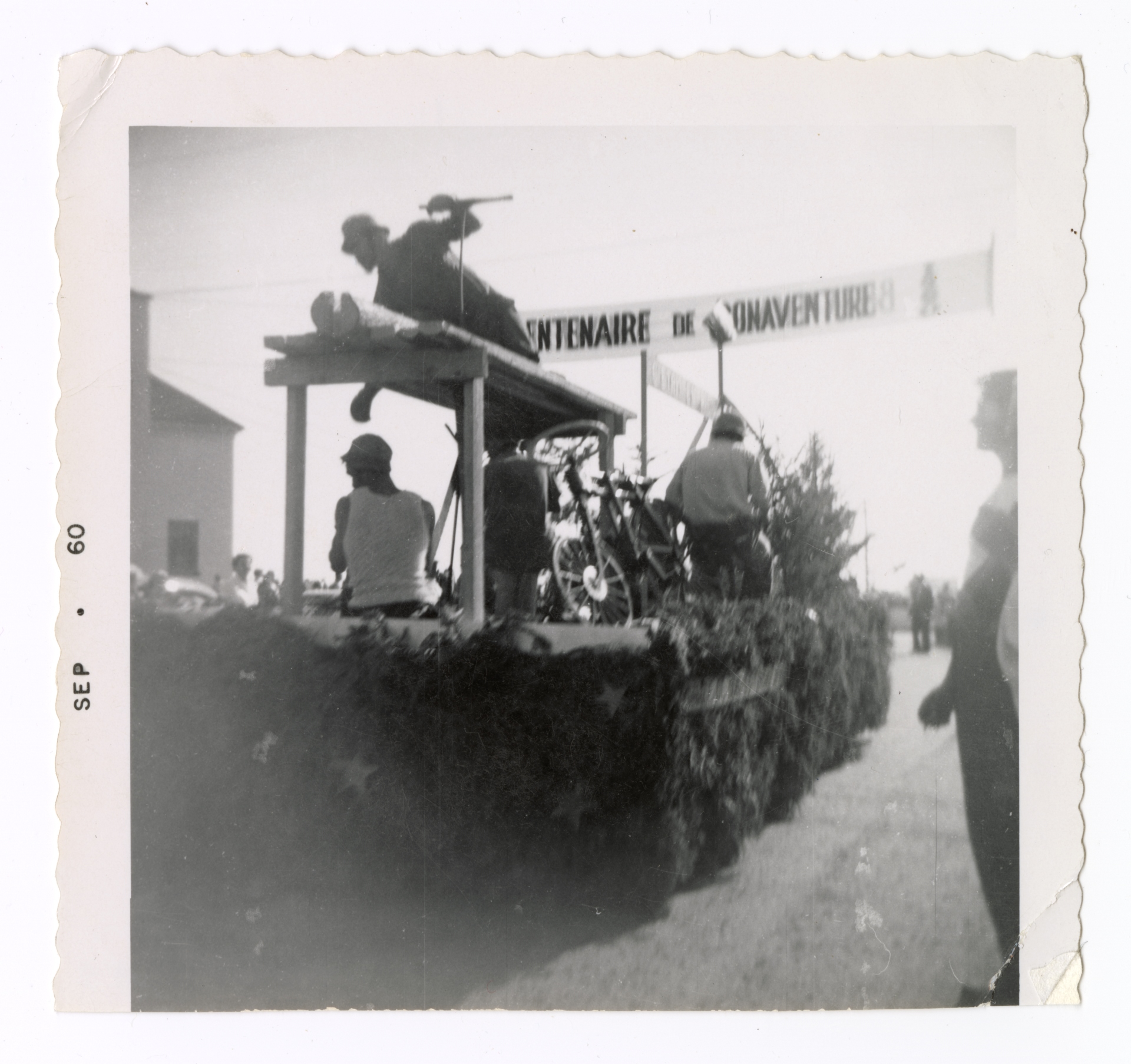
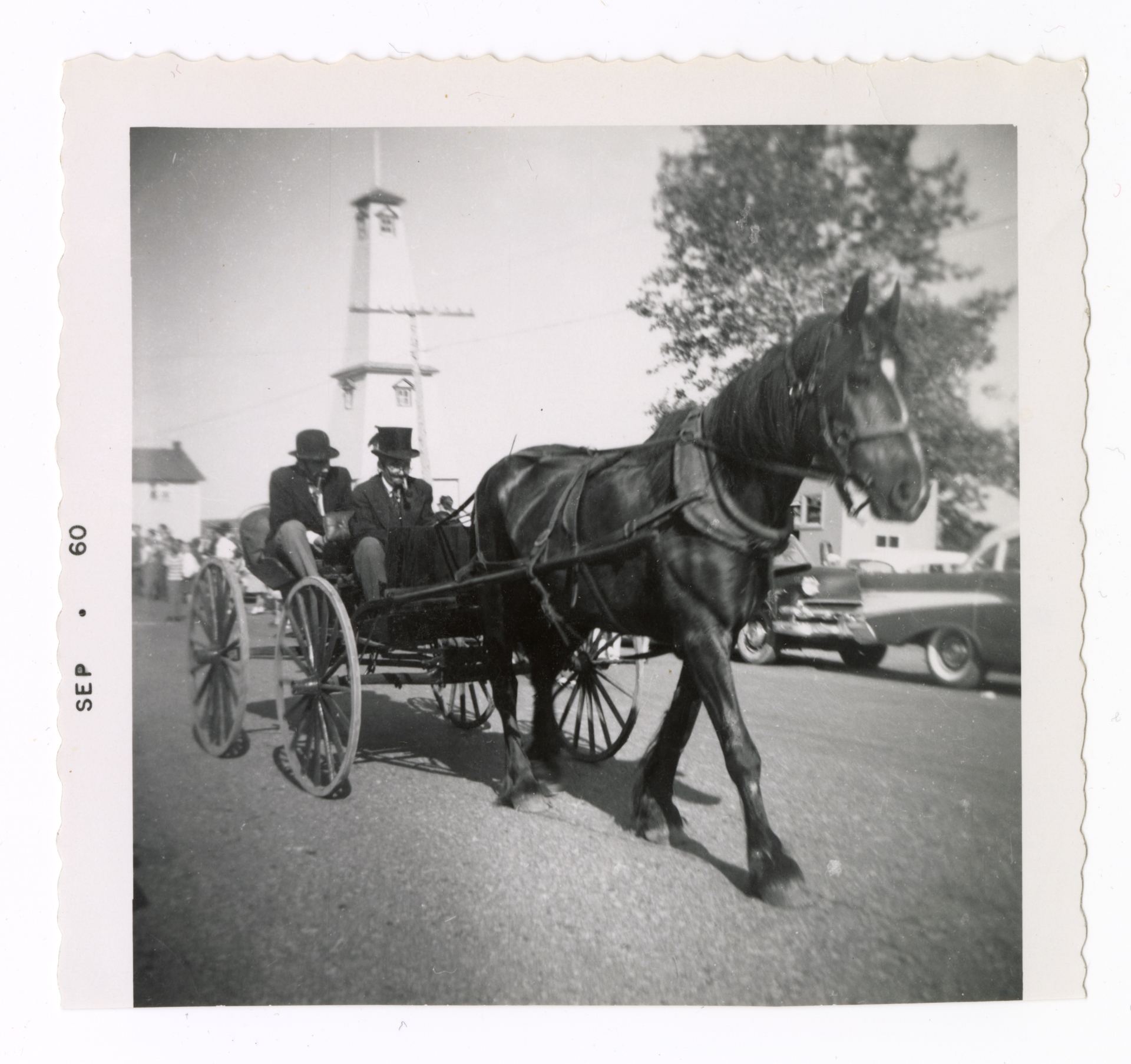
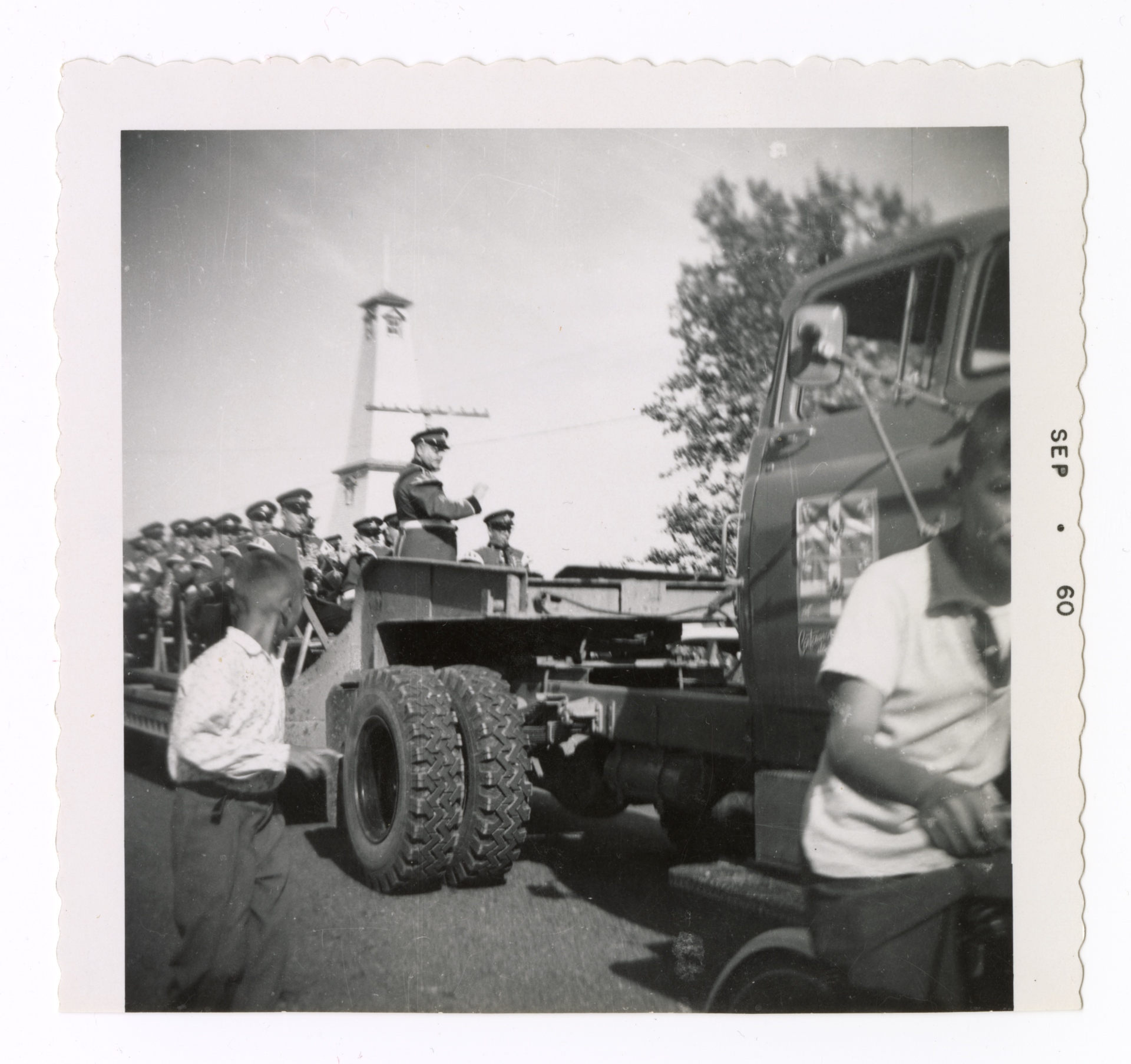
7 photographs from Bonaventure's bicentennial celebration
Information about the object
Historical period
1960
Dimensions
Height: 8.40 cm. Width: 9 cm.
Classification
Communications -- Photography
Accession number
June 4, 1995 A-G
Division
Iconography -- Means of expression -- Photography
Collection
Bertrand Forest
Donor
Bertrand Forest
Category/theme
Description of the object
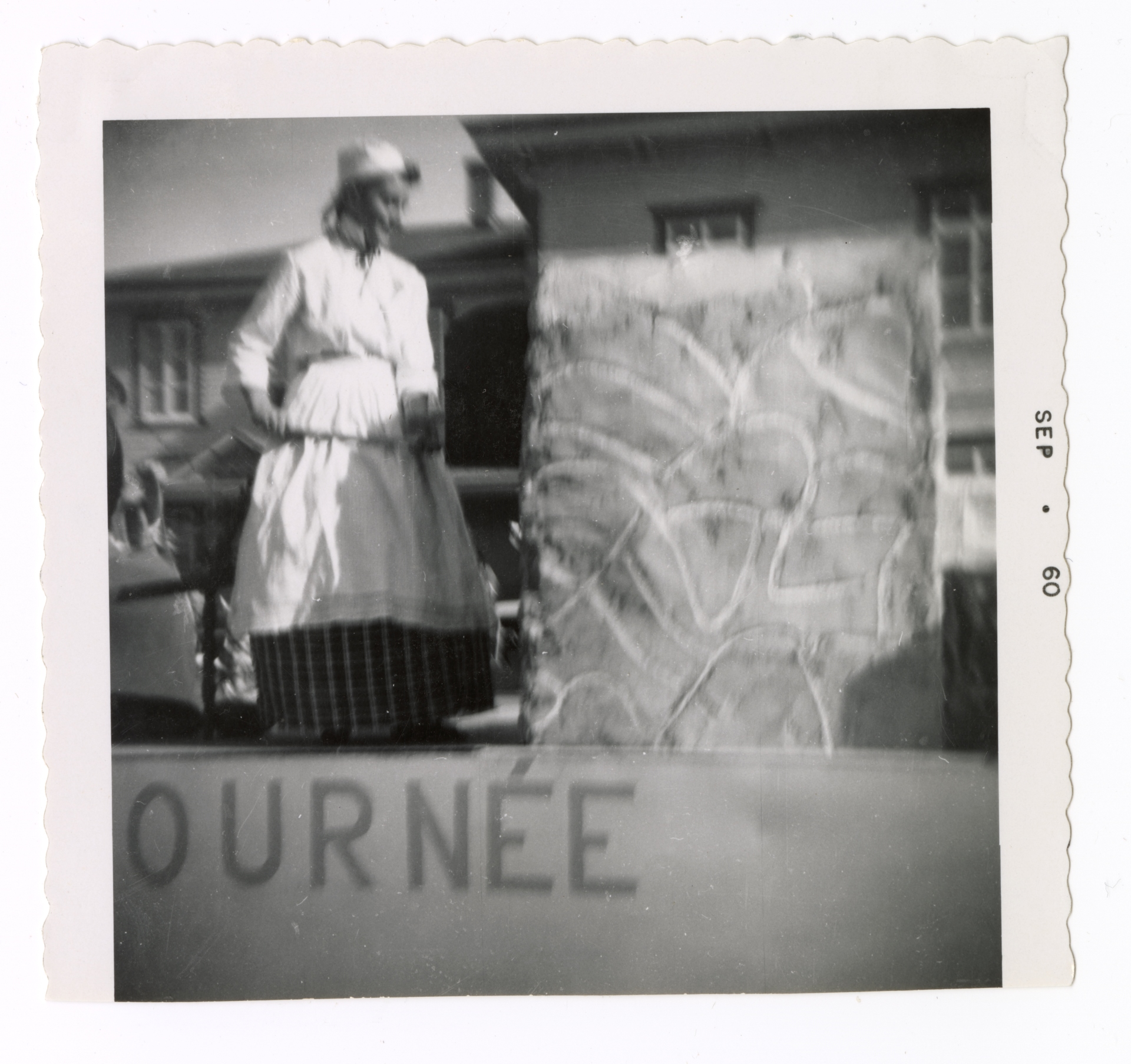
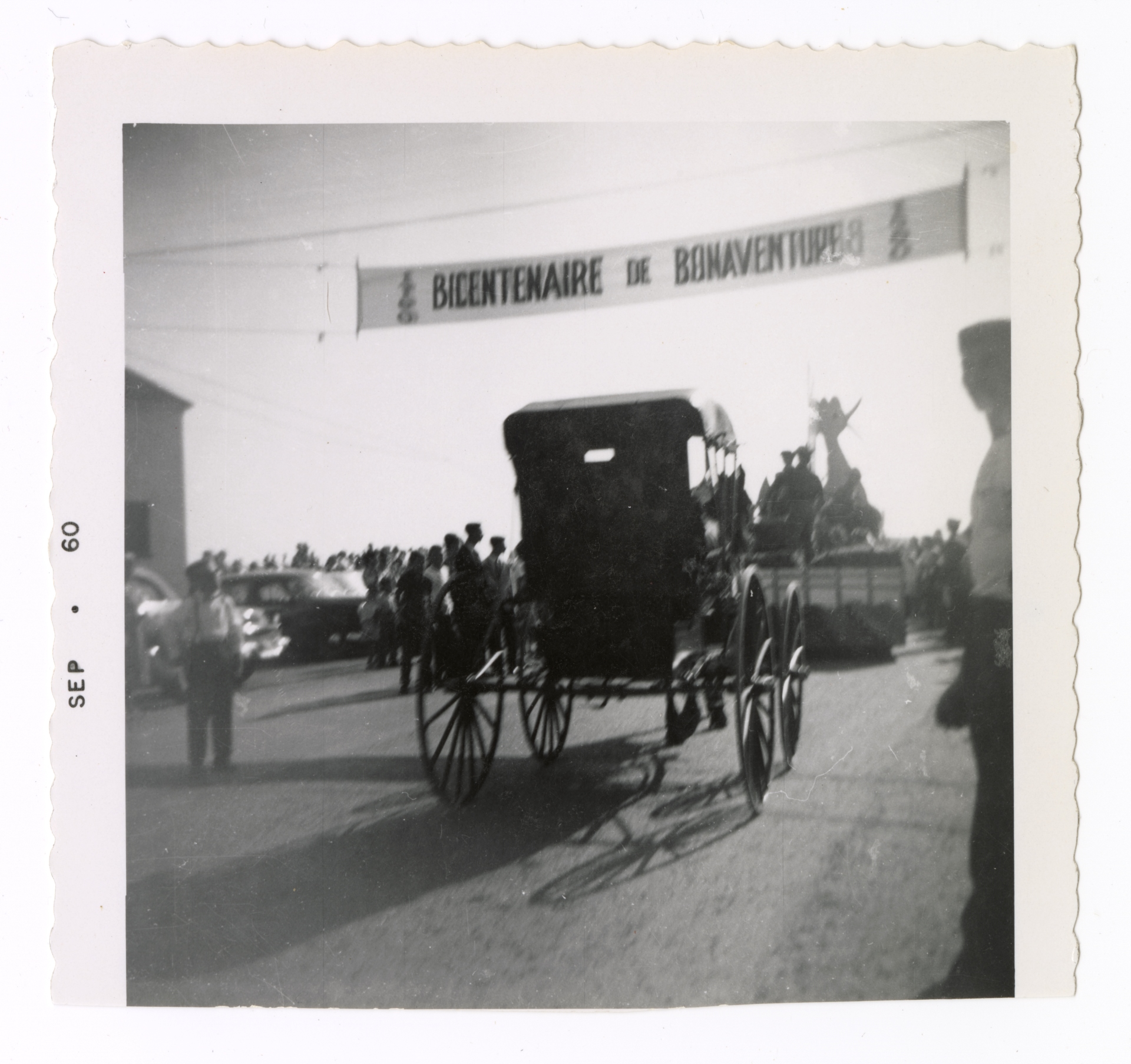
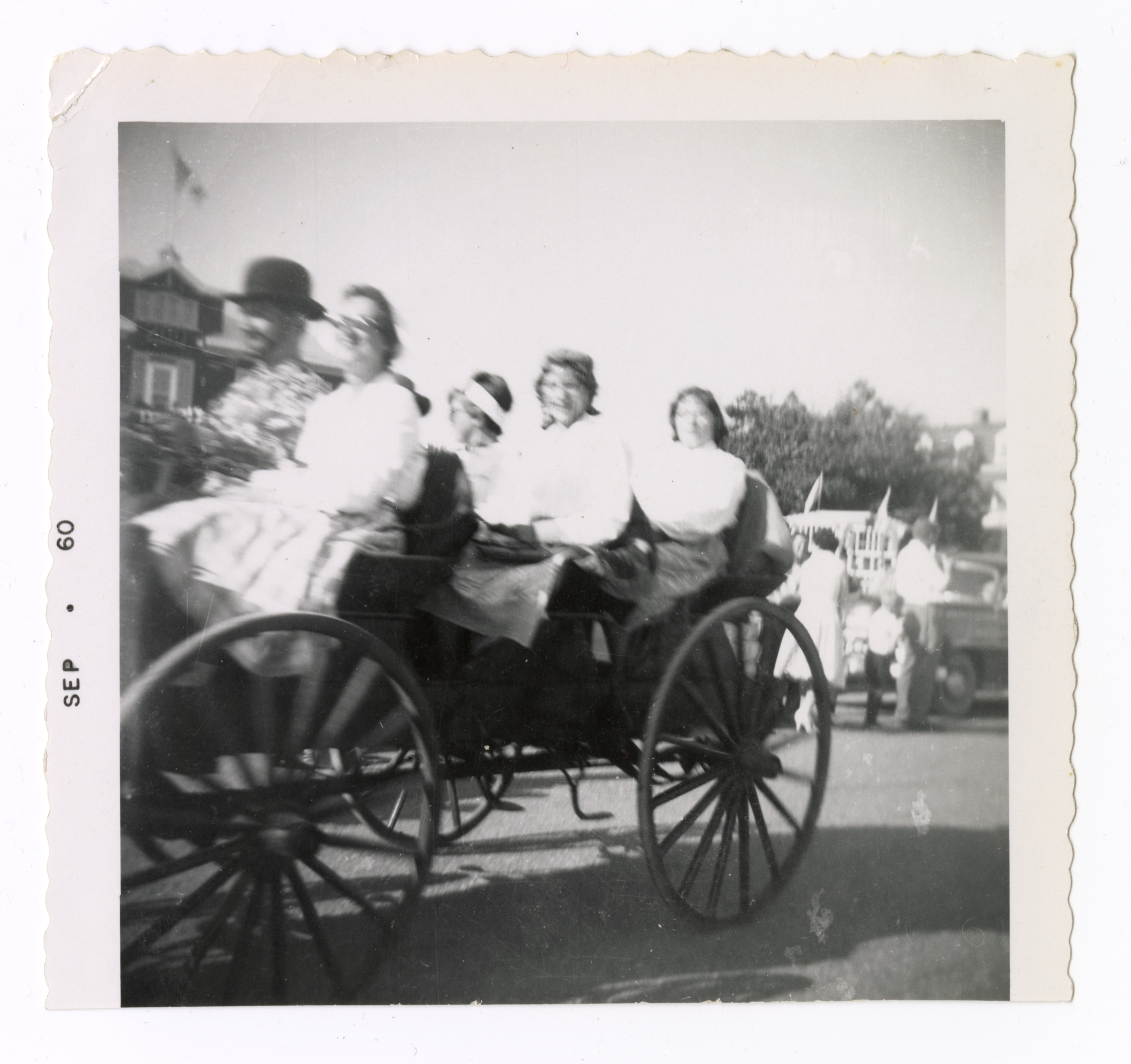
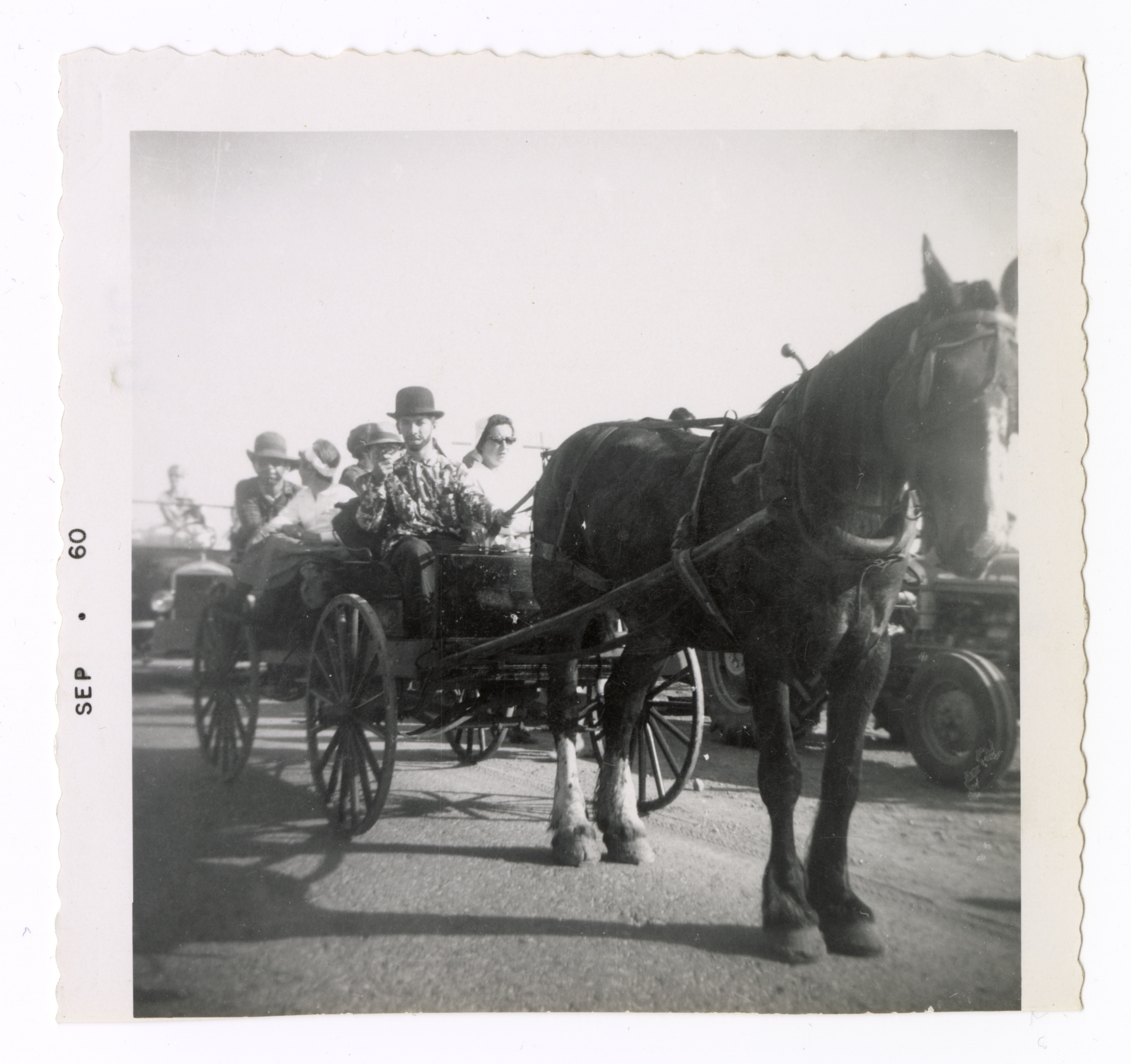
Black and white photographs of Bonaventure's bicentennial in 1960. Perforated on three sides. Transliteration on all sides: front: SEP. 60
Value of the item
These photographs bear witness to an important event for Acadians, namely the period from 1955 to 1960, which corresponds to the bicentennial of the Deportation and the founding of several Acadian communities in Quebec, such as Bonaventure. Numerous commemorative events were organized to celebrate these bicentennials throughout Quebec and the Maritime provinces. Here, the Bicentennial of Bonaventure.
In addition, these important events echo a social and cultural development attributable to the Acadian Renaissance (1867-1960), a phenomenon of self-appropriation of Acadian culture by its heirs, creating a sense of Acadian belonging. In these photos, the many allegorical floats, important village figures, and illustrated buildings do justice to this Acadian heritage.
In addition, these important events echo a social and cultural development attributable to the Acadian Renaissance (1867-1960), a phenomenon of self-appropriation of Acadian culture by its heirs, creating a sense of Acadian belonging. In these photos, the many allegorical floats, important village figures, and illustrated buildings do justice to this Acadian heritage.
Learn more
The Acadian Renaissance was a phenomenon concentrated between 1850 and 1881—sometimes considered to have lasted from 1867 to 1960—associated with a collective awareness of Acadian identity. Two literary works were particularly important in this movement: the poem Evangeline, published by American author Henry Longfellow in 1847, and Rameau de Saint-Père's La France aux colonies: Acadiens et Canadiens, the first of whose two parts deals with the history of the Acadians. Finally, the publication of the first Acadian newspaper, Le Moniteur Acadien, was also one of the highlights of this renaissance. In general, this period saw a significant boom in the literary and scientific arts, education, political life, and new economic sectors such as tourism. In the development of these areas, Acadian pride and a sense of belonging were valued and promoted.